As energy costs continue to rise in western Massachusetts, homeowners are looking for as many ways as possible to save on their monthly bills, all while improving the comfort of their homes. One often-overlooked solution? Investing in a new roof. While a roof's primary job is to protect your home from the elements, its impact on energy efficiency is significant—and with suitable materials and installation, a new roof can drastically reduce your energy consumption.
As a roofing company, we've seen how a properly installed, energy-efficient roof can significantly improve your home's temperature regulation, reduce HVAC usage, and ultimately save you money. If you're considering a roof replacement in 2025, here's how a new roof can help lower your energy bills and improve your home's overall performance.
Improved Insulation: Keeping the Heat In (or Out)
One of the most important roles your roof plays in energy efficiency is through its insulation. Poor insulation or an old, damaged roof can let warm air escape during winter and allow hot air to enter during summer. This forces your heating and cooling systems to work overtime, increasing energy bills.
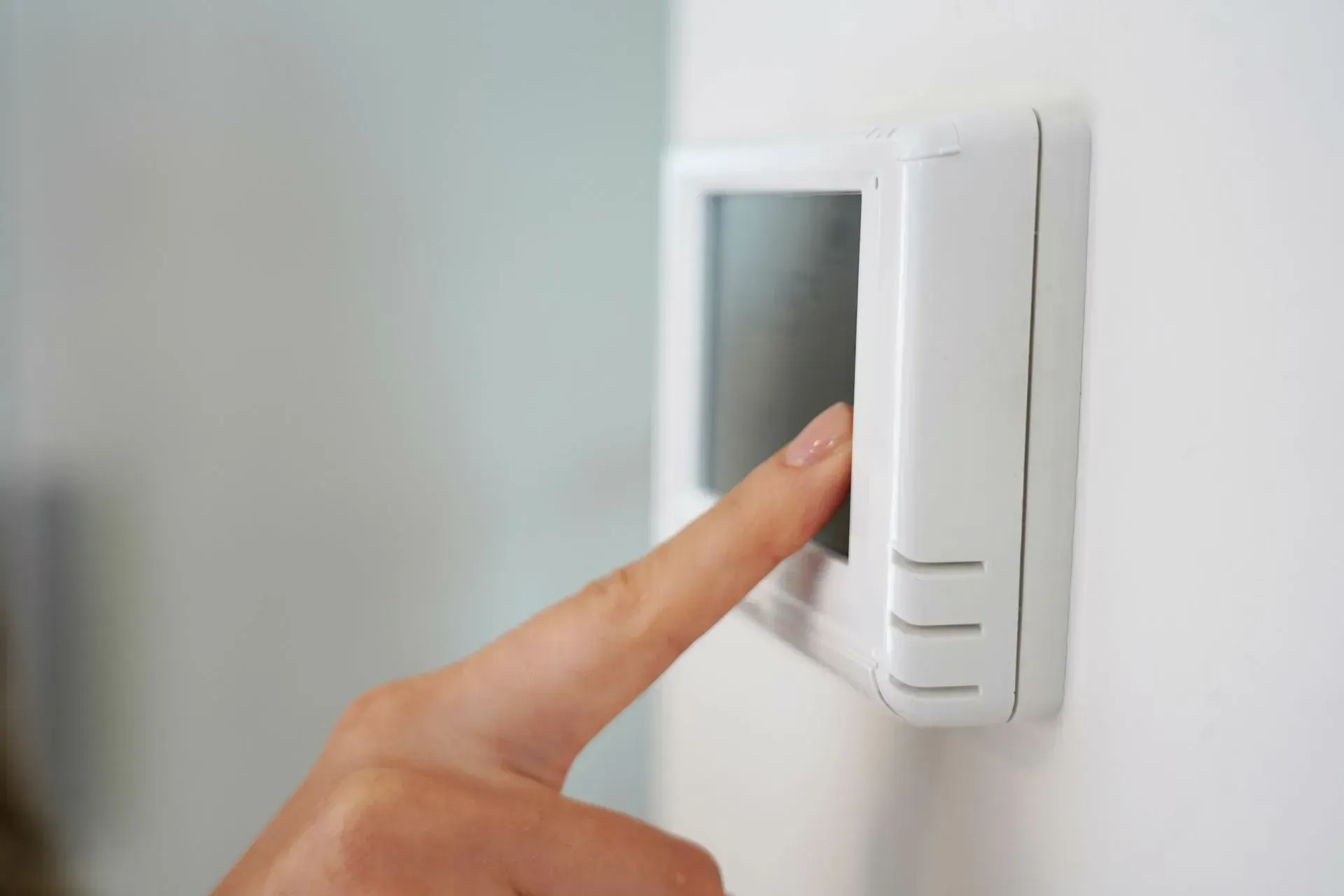
How a new roof helps: When you replace your roof, you can upgrade your insulation. Modern roofing materials can improve your home's thermal resistance, ensuring that conditioned air stays inside. This means your HVAC system doesn't have to work as hard to keep your home comfortable, ultimately reducing energy consumption.
Key takeaway: Insulating your attic and sealing gaps with a new roof can help maintain a more consistent indoor temperature year-round.
Reflective Roofing Materials: Keep Your Home Cool in Summer
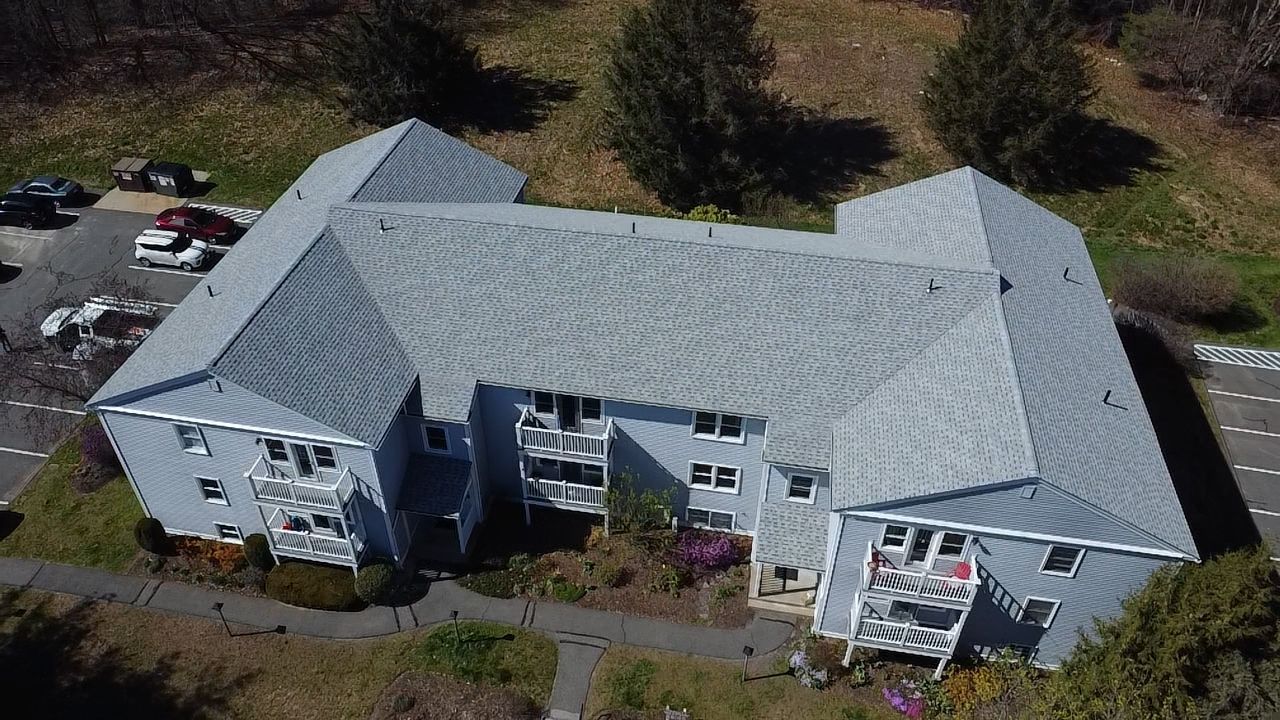
In 2025, many homeowners choose cool roofs with reflective materials that reflect more sunlight and absorb less heat. These materials are typically lighter in color and designed to reflect the sun's rays, reducing the amount of heat transferred into your home.
How a new roof helps: A cool roof can significantly reduce your cooling costs during hot summer months. By keeping your attic cooler, you won't have to rely as much on your air conditioner, resulting in lower energy bills. According to the U.S. Department of Energy, installing a cool roof can reduce air conditioning costs by up to 15-20%.
Key takeaway: Choosing a reflective or calm roofing option for your new roof can keep your home cooler in the summer, lowering cooling costs and reducing the strain on your AC.
Energy-Efficient Roofing Materials: A Green Investment
New advancements in roofing materials have made it easier for homeowners to go green and reduce their carbon footprint while saving on energy bills. Many new roofing materials come with energy-efficient coatings or properties that boost your home's aesthetics and enhance its energy performance.
How a new roof helps: Materials such as metal roofs, cool shingles, and solar-reflective coatings can help reflect heat away in the summer and provide additional insulation in the winter. Metal roofing has high thermal efficiency and can reflect sunlight, while shingles with reflective granules can improve your roof's ability to maintain comfortable indoor temperatures.
Key takeaway: Energy-efficient roofing materials offer long-term savings and a great way to lower energy bills and environmental impact.
Sealing Leaks and Gaps: No More Air Loss
Over time, your roof can develop leaks, cracks, or structural gaps that allow air to escape. This often goes unnoticed but can significantly impact your energy bills. If air leaks from your roof or attic, your home will become less energy efficient, and your HVAC system will need to run longer to maintain a comfortable temperature.
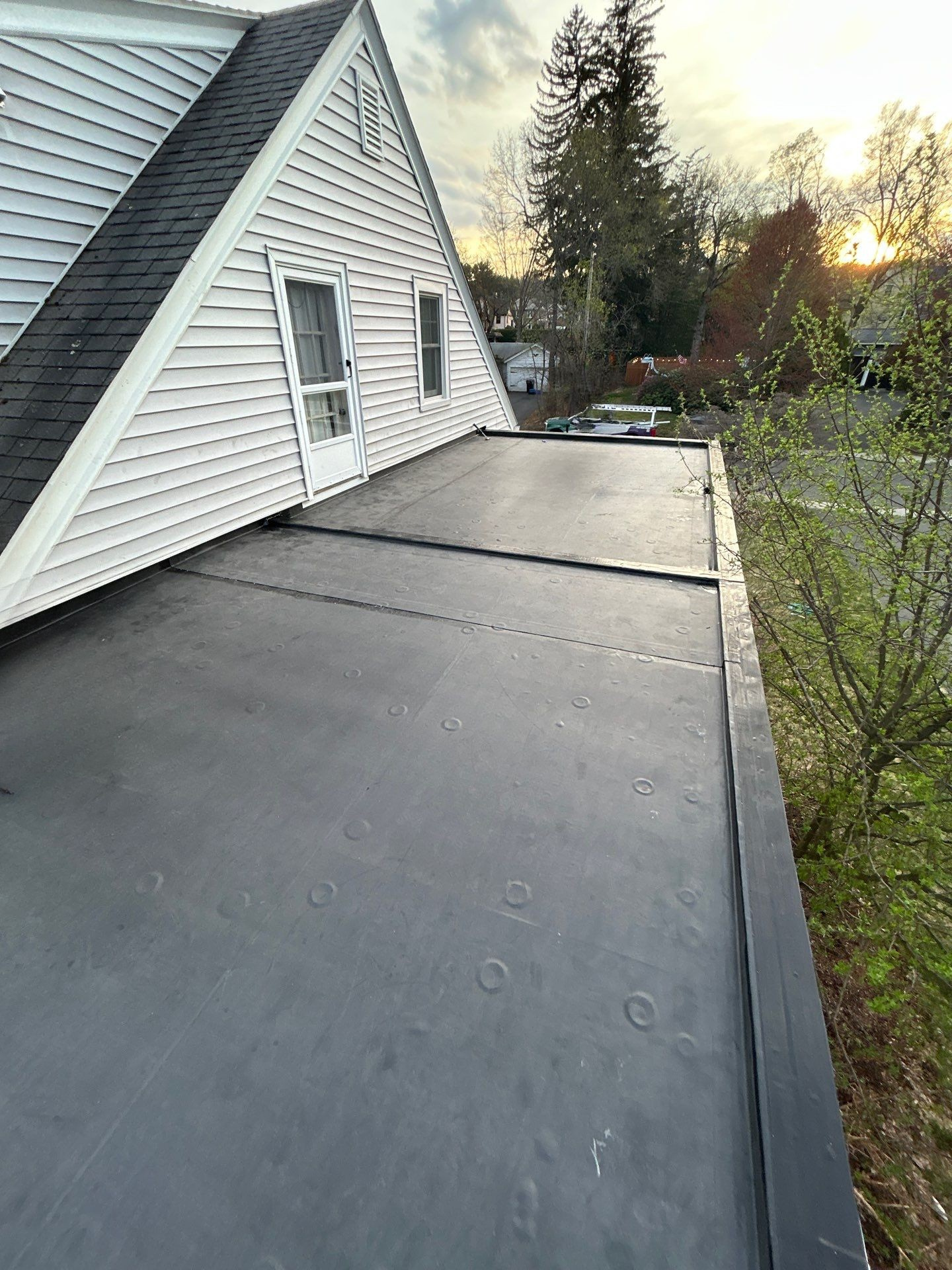
How a new roof helps: A new roof installation allows for sealing any leaks or gaps in your roofing system. Whether replacing damaged shingles, re-sealing roof vents, or applying weatherproofing underlayment, these fixes can significantly affect your home's energy performance.
Key takeaway: A new roof addresses air leaks and gaps that can lead to energy loss, improving your home's overall energy efficiency.
Long-Term Cost Savings: Reduce Repair and Maintenance Costs
A new roof isn't just an upfront investment—it's also a way to avoid the ongoing repair costs of an aging roof. If your current roof shows signs of wear and tear, such as missing shingles, sagging, or leaks, your energy efficiency is likely compromised. Older roofs also require frequent repairs to keep your home secure and energy-efficient.
How a new roof helps: Replacing an old roof with a high-quality, energy-efficient option means fewer repairs over time and less need for emergency fixes. In addition, a new roof can increase the longevity of your home's insulation, attic space, and HVAC systems, all of which contribute to your home's overall energy efficiency.
Key takeaway: A new roof reduces the frequency and cost of repairs while maintaining energy efficiency over the long term.
Tax Incentives and Rebates for Energy-Efficient Roofs
As energy efficiency becomes more pressing, many states and municipalities offer tax incentives or rebates forhomeowners who install energy-efficient upgrades, including roofs. If you replace your roof with energy-saving materials, you may be eligible for local or federal incentives that reduce your overall cost.
How a new roof helps: For example, cool roofs and solar panels (when installed together) may qualify for federal tax credits, making your new roof even more affordable in the long run. Check with your roofing contractor or tax professional to explore any available incentives or rebates in your area.
Key takeaway: Tax incentives and rebates for energy-efficient roofing can offset the initial cost of installation, making it a more affordable long-term investment.
The Impact of Ventilation: Proper Airflow Reduces Energy Loss
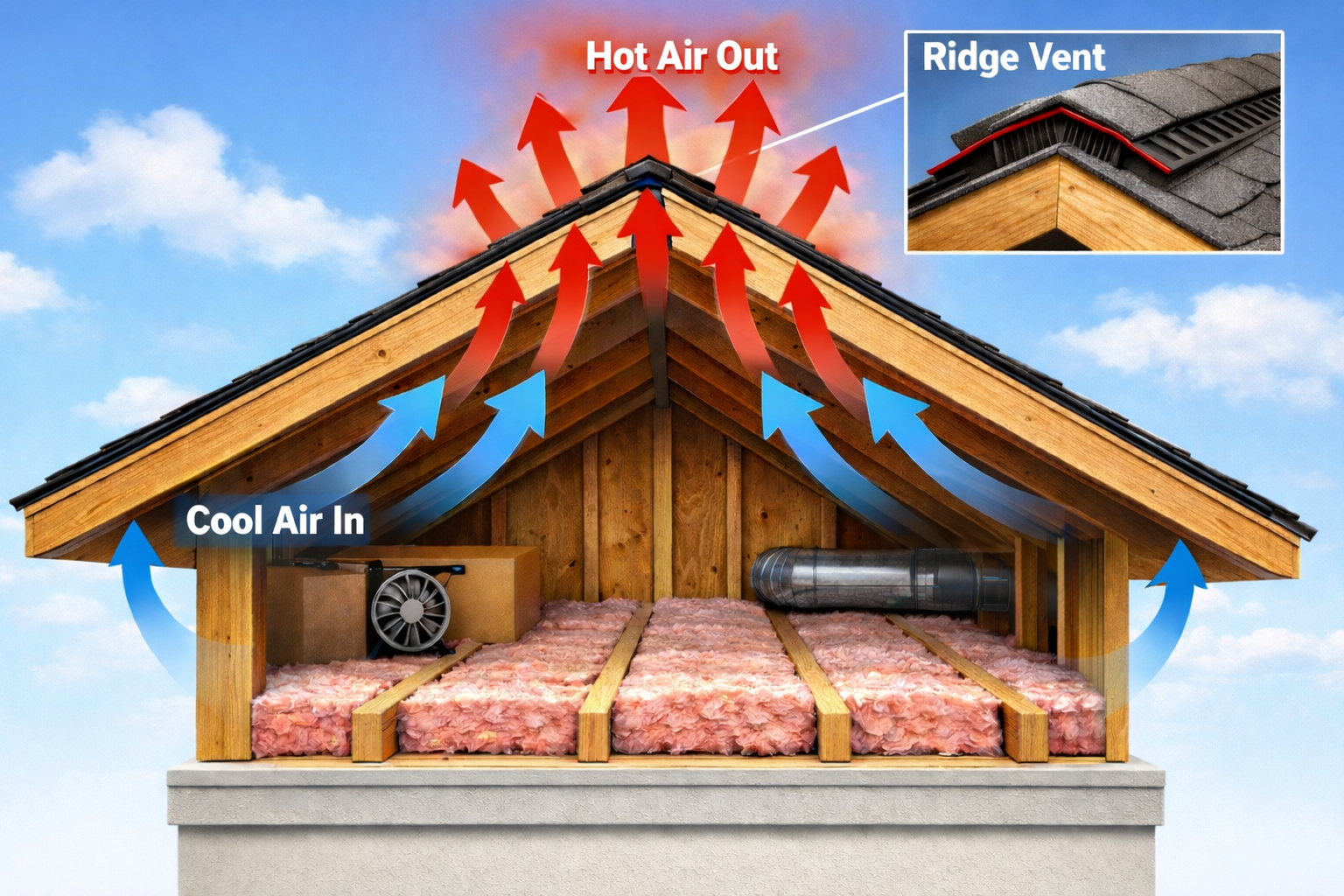
Proper attic ventilation plays a critical role in regulating temperature and moisture levels in your home. With adequate airflow, your attic can trap heat, making it easier for your home to stay cool in the summer. Poor ventilation can also lead to mold or mildew problems, damaged insulation, impacting your home's energy efficiency.
How a new roof helps: You can upgrade or repair your attic ventilation system when you replace your roof. Adding or improving ventilation can help your home maintain a consistent temperature by allowing hot air to escape in the summer and preventing ice dams in the winter. This reduces the workload on your HVAC system and enhances overall energy efficiency.
Key takeaway: Proper ventilation with a new roof improves airflow, reduces heat buildup, and enhances your home's energy performance.
A New Roof = Savings in More Ways Than One. Investing in a new roof in 2025 isn't just about improving the look of your home; it's about making your home more energy-efficient and reducing your monthly energy costs. Whether upgrading to energy-efficient roofing materials, improving your insulation, or adding ventilation, a new roof can help lower your utility bills while making your home more comfortable year-round.
If you're ready to explore how a new roof can help you save money and energy, Sexton Roofing & Siding is here to guide you. Our expert team can help you choose the best materials and design to meet your needs and budget, ensuring your home is as energy-efficient as possible. Contact us today for a free consultation or to schedule a roof inspection. Let's make your home more energy-efficient and budget-friendly in 2025!