Tips for Fall Roof Maintenance: Prepare Your Home for the Changing Season
Proper fall roof maintenance can prevent costly repairs and ensure your home and family remain safe and cozy throughout the season

As the vibrant hues of autumn begin to replace the lush greens of summer here in western Massachusetts, it's not just the leaves that require attention. Fall is an essential time for homeowners to prepare their roofs for the colder months ahead. Proper fall roof maintenance can prevent costly repairs and ensure your home and family remain safe and cozy throughout the season. Here are some expert tips from our roofing professionals to help you get started.


Inspect Your Roof

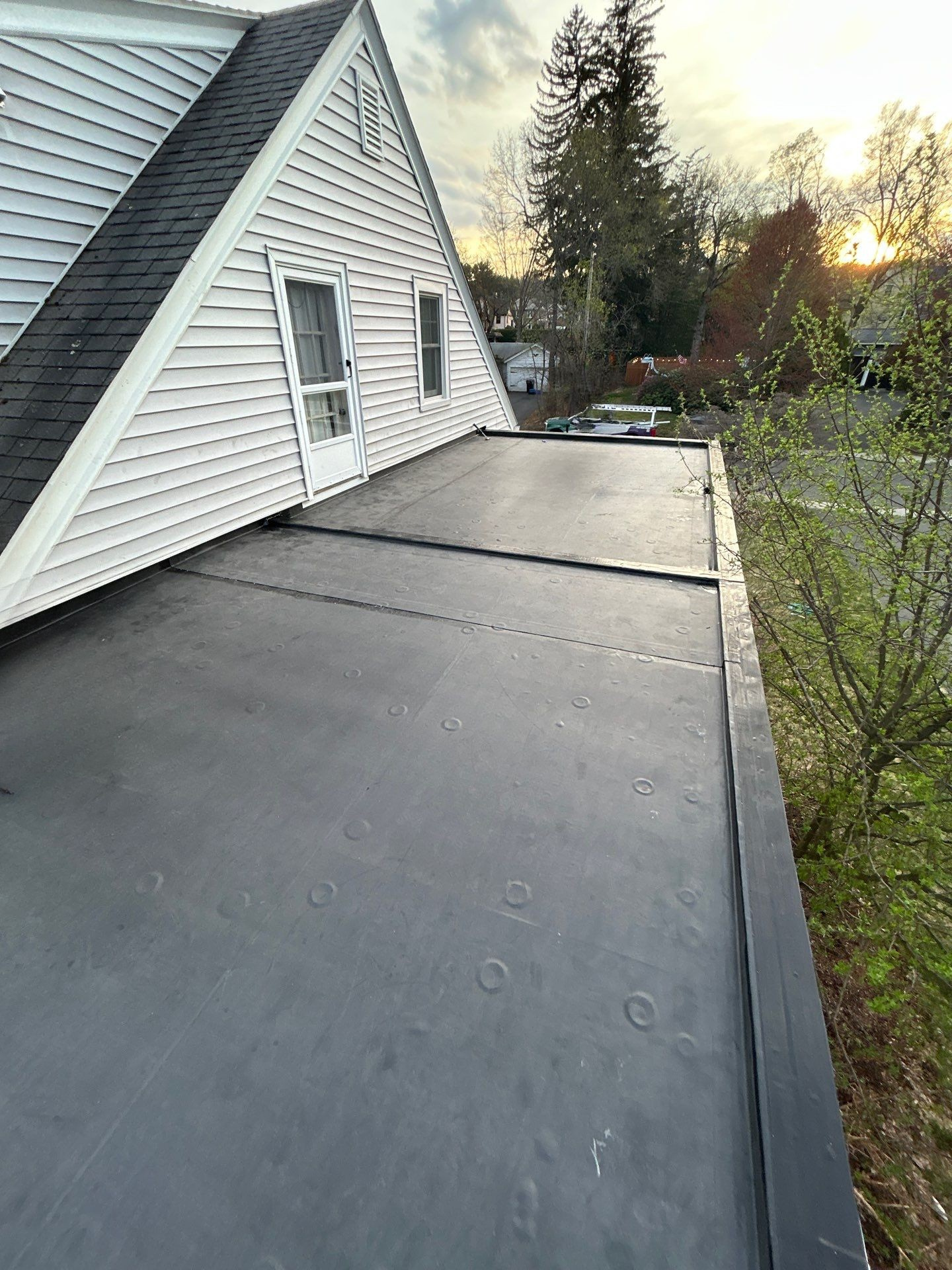
The first step is to inspect your roof before the first snowfall. Look for signs of damage, like missing or cracked shingles, damaged flashing, and rusted or clogged gutters. For a comprehensive assessment, consider hiring Sexton to inspect hard-to-reach areas and identify any underlying issues that may not be immediately visible.


Clean Your Gutters and Downspouts

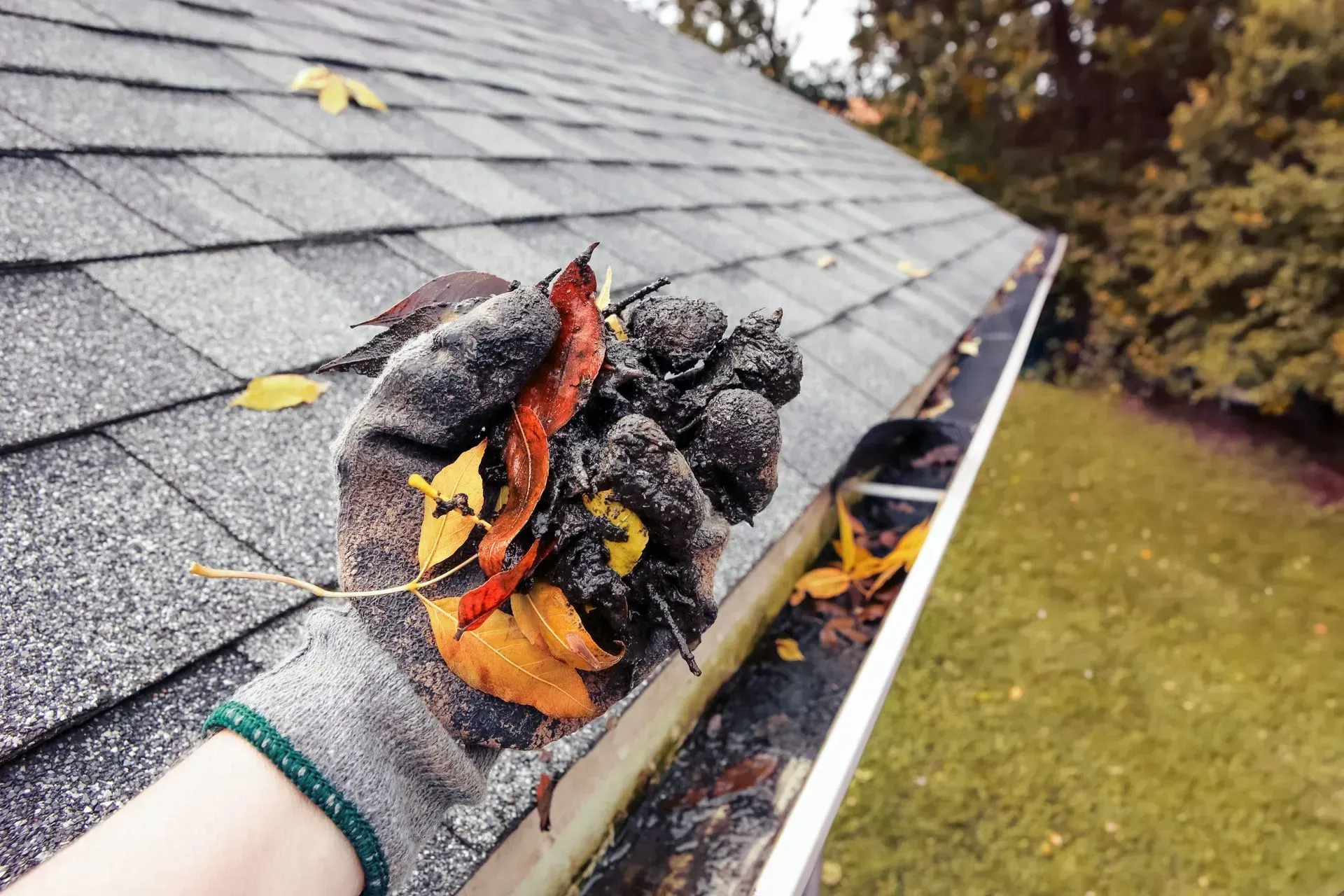
Fall brings an abundance of leaves and debris that can quickly clog your gutters and downspouts. Having clogged gutters can lead to water pooling, damaging your roof, siding, and foundation. Ensure you clean out all the debris and check for proper water flow. You can also install gutter guards to help reduce the amount of accumulated debris.


Trim Overhanging Branches

Trees near your home can pose a significant risk to your roof, especially as the weather becomes wet and cold. Falling branches and leaves can damage shingles and create potential entry points for pests. Trim back any overhanging branches close to your home to minimize the risk of damage and to keep your roof in optimal condition.


Check for Algae and Moss Growth

Moisture and shade can lead to the growth of algae and moss on your roof. These can cause shingles to deteriorate over time. If you notice any growth, clean it off carefully and consider applying a preventive treatment. Be cautious when using chemical cleaners, and follow the manufacturer's instructions to avoid damaging your shingles.


Address Minor Repairs Early

Small issues, like loose shingles or minor leaks, can quickly escalate if left unattended. Addressing these minor repairs early can save you from more significant, costly repairs. If you're unsure how to handle repairs, consult with SRS if you notice repairs are needed.


Prepare for Winter Weather

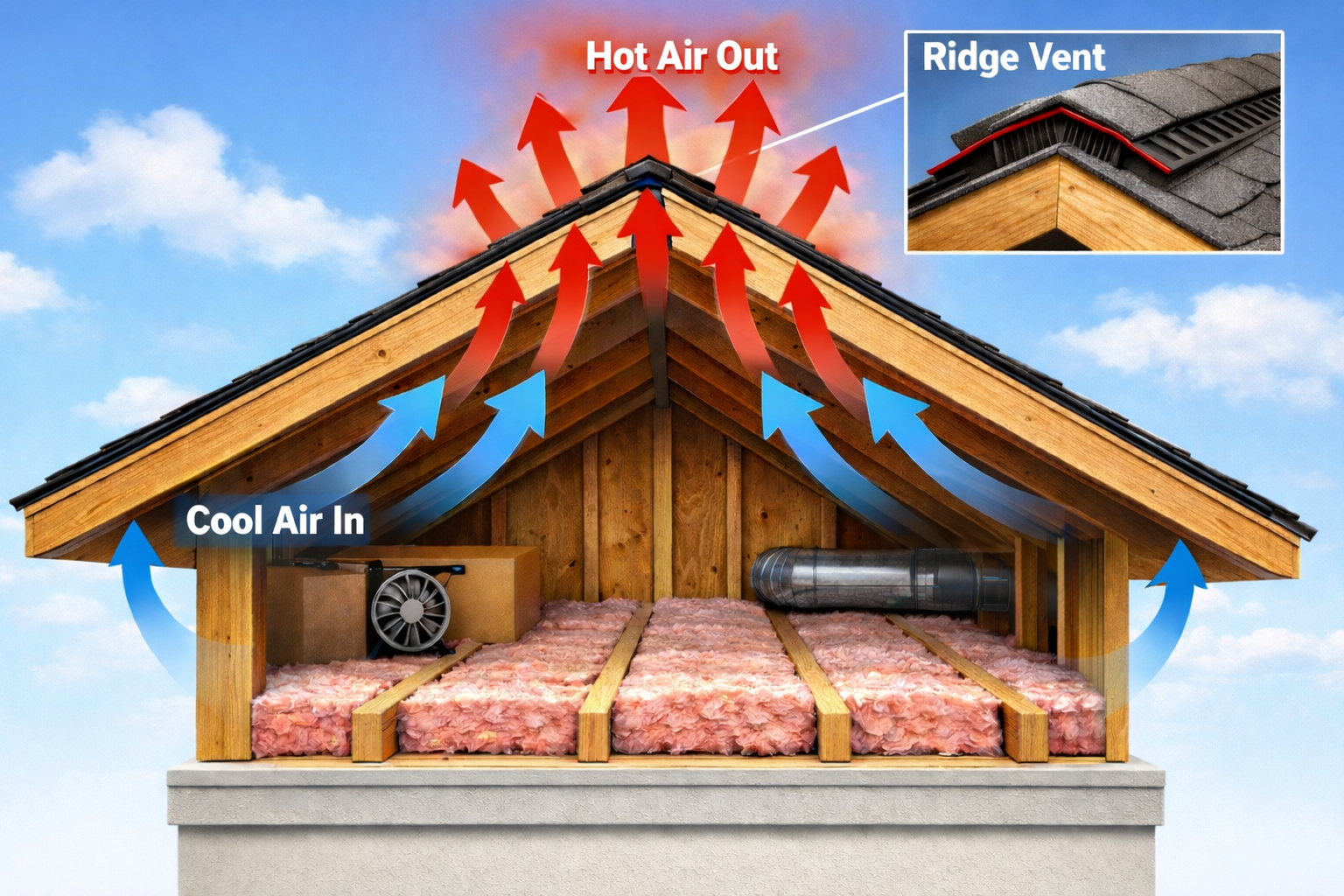
As temperatures drop, ensuring your roof can withstand winter is essential. Look for any potential weak spots that could be susceptible to ice dams. Proper insulation and ventilation in your attic can also help prevent ice dams from forming and causing damage to your roof and home.


Inspect Attic Insulation and Ventilation

Proper attic insulation and ventilation are crucial for maintaining a healthy roof. Insufficient insulation can lead to heat loss, contributing to ice dam formation, which you do not want. Ensure your attic is well-insulated and has adequate ventilation to regulate temperature and moisture levels.


Schedule a Professional Roof Inspection

Scheduling a professional roof inspection in the fall with Sexton can provide peace of mind even if you don't notice any visible issues. An experienced roofer can identify problems that may not be obvious and offer solutions before they become significant.


Prepare for Emergency Situations

Fall and winter weather can be unpredictable. Have a plan for potential roofing emergencies, such as severe storms or unexpected leaks. Keep emergency contact information for your roofing company handy and know the steps to take if you experience a roofing issue.


By following these fall roof maintenance tips, you can help extend the life of your roof and protect your home from the elements. If you need assistance or have concerns about your roof's condition, don't hesitate to contact our team of experienced roofing professionals. We're here to ensure your roof remains in top shape all year round!

February 9, 2026
Have you ever had a roofer tell you your roof was installed incorrectly? Have you ever had a shingle fall off your roof, but your roof is less than 15 years old? How can a roof be installed incorrectly, and how can a roofer determine that? To answer that, let's talk first about how a shingle is created. Modern architectural shingles (shown here),
asphalt shingle
January 27, 2026
Have you ever wondered what an asphalt shingle is actually made of? No? Come on, just play along for a moment. You might be surprised by how helpful this is, especially when you’re talking to a roofer or trying to make decisions for your own home project. Who knows, maybe you’ll become a roofing expert one day! (Okay… probably not. But you will feel a lot more confident after this.) Let’s take a quick look at what goes into a typical architectural asphalt shingle. Each layer plays an important role: A fiberglass mat An asphalt coating Protective granules A sealant strip Now let’s break it down in a way that actually makes sense. 1. The Core: Fiberglass Mat At the heart of the shingle is the fiberglass mat—the foundation everything else attaches to. Think of it like the shingle’s skeleton. It gives the shingle its shape, strength, and flexibility so it can handle wind, movement, and the changing seasons. But while the fiberglass mat is strong, it can’t stop water on its own. That brings us to the next, and arguably most important, layer. 2. The Waterproofing: Asphalt Coating The fiberglass mat is coated with asphalt on both sides, creating a sort of asphalt “sandwich.” This is the true workhorse of the shingle. Asphalt delivers the waterproofing, protects against hail and debris, and holds everything else together. If the fiberglass is the skeleton, asphalt is the muscle. The only downside? Asphalt ages. Sunlight (especially UV rays) slowly breaks down the chemical binders, and daily temperature swings cause expansion and contraction. Over time, that leads to cracking. Fortunately, the next layer helps protect it. 3. UV Protection & Color: Granules Those colorful little granules on the surface aren’t just for looks. They’re crushed stone coated with ceramic pigments, and they act like sunscreen for the asphalt underneath. They absorb and deflect UV rays, dramatically slowing down the aging process. As a bonus, they give shingles their color. If you’ve ever cleaned your gutters and noticed those little rocks collecting at the bottom, those are the granules doing their thing. 4. The Sealant Strip On the underside of each shingle is a small strip of black sealant. It may look insignificant, but it’s one of the most important parts of the system. Once installed and warmed by the sun, this strip bonds the shingles together, helps seal the nails below, and creates a watertight, wind‑resistant layer. Small strip, huge impact. Here is a photo from the IKO website, www.iko.com 
January 3, 2026
Improve your home’s winter insulation in Western Massachusetts with energy-efficient windows that reduce drafts, heat loss, and heating costs.
Show More
February 9, 2026
Have you ever had a roofer tell you your roof was installed incorrectly? Have you ever had a shingle fall off your roof, but your roof is less than 15 years old? How can a roof be installed incorrectly, and how can a roofer determine that? To answer that, let's talk first about how a shingle is created. Modern architectural shingles (shown here),
asphalt shingle
January 27, 2026
Have you ever wondered what an asphalt shingle is actually made of? No? Come on, just play along for a moment. You might be surprised by how helpful this is, especially when you’re talking to a roofer or trying to make decisions for your own home project. Who knows, maybe you’ll become a roofing expert one day! (Okay… probably not. But you will feel a lot more confident after this.) Let’s take a quick look at what goes into a typical architectural asphalt shingle. Each layer plays an important role: A fiberglass mat An asphalt coating Protective granules A sealant strip Now let’s break it down in a way that actually makes sense. 1. The Core: Fiberglass Mat At the heart of the shingle is the fiberglass mat—the foundation everything else attaches to. Think of it like the shingle’s skeleton. It gives the shingle its shape, strength, and flexibility so it can handle wind, movement, and the changing seasons. But while the fiberglass mat is strong, it can’t stop water on its own. That brings us to the next, and arguably most important, layer. 2. The Waterproofing: Asphalt Coating The fiberglass mat is coated with asphalt on both sides, creating a sort of asphalt “sandwich.” This is the true workhorse of the shingle. Asphalt delivers the waterproofing, protects against hail and debris, and holds everything else together. If the fiberglass is the skeleton, asphalt is the muscle. The only downside? Asphalt ages. Sunlight (especially UV rays) slowly breaks down the chemical binders, and daily temperature swings cause expansion and contraction. Over time, that leads to cracking. Fortunately, the next layer helps protect it. 3. UV Protection & Color: Granules Those colorful little granules on the surface aren’t just for looks. They’re crushed stone coated with ceramic pigments, and they act like sunscreen for the asphalt underneath. They absorb and deflect UV rays, dramatically slowing down the aging process. As a bonus, they give shingles their color. If you’ve ever cleaned your gutters and noticed those little rocks collecting at the bottom, those are the granules doing their thing. 4. The Sealant Strip On the underside of each shingle is a small strip of black sealant. It may look insignificant, but it’s one of the most important parts of the system. Once installed and warmed by the sun, this strip bonds the shingles together, helps seal the nails below, and creates a watertight, wind‑resistant layer. Small strip, huge impact. Here is a photo from the IKO website, www.iko.com 
Show More