Top Benefits of Insulated Siding for Winter Efficiency
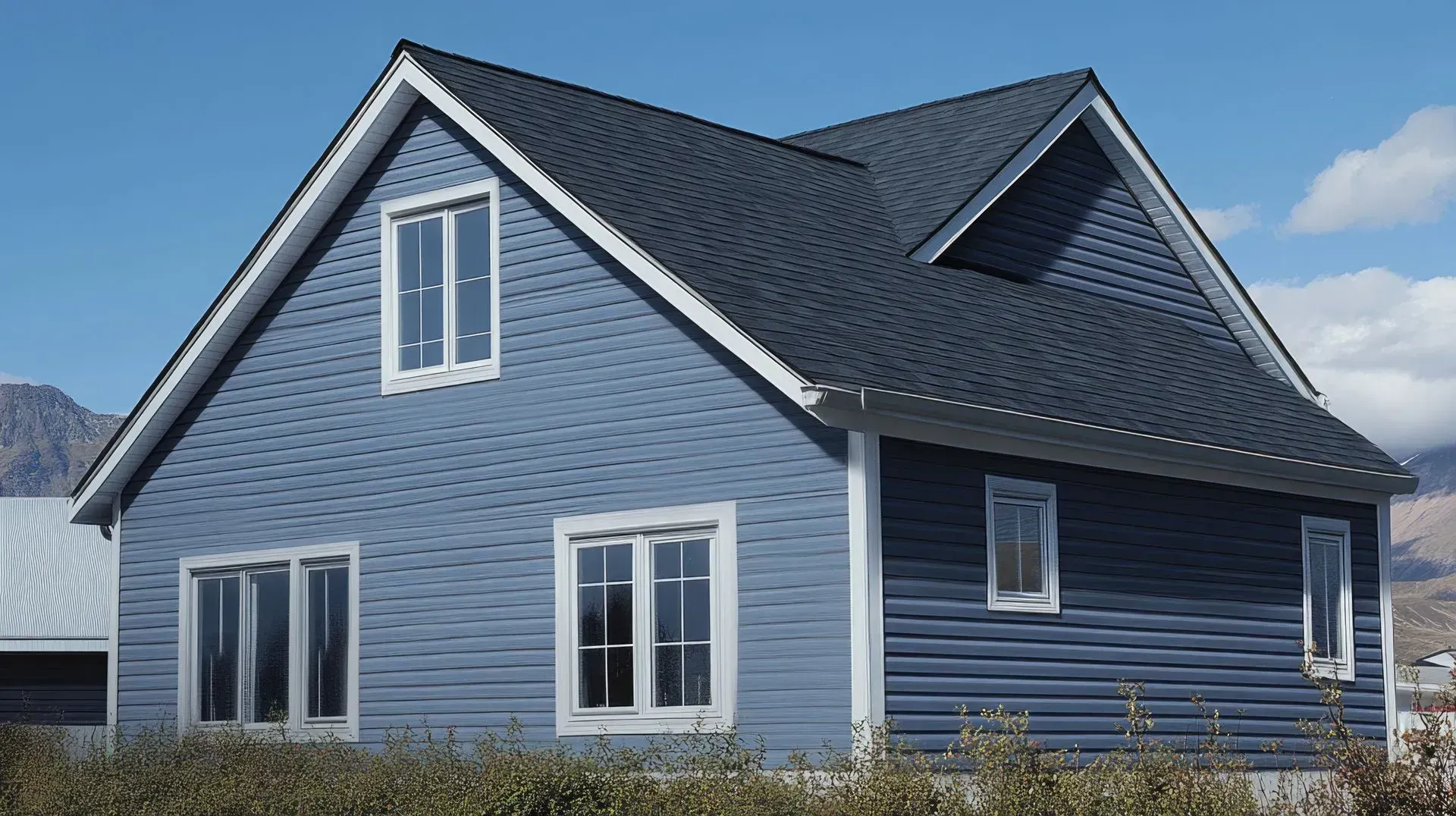
A blue house with a black roof and white trim

As winter's chill sets in, your home's energy efficiency becomes more critical than ever. With temperatures dropping and energy bills rising, homeowners are looking for ways to improve their home's insulation and keep the cold at bay. Insulated siding is one of the best investments for your home's energy efficiency this winter.


We understand the importance of a well-insulated home. Insulated siding provides several key benefits that help you protect your home, save money, and stay comfortable through the harsh winter months in western Massachusetts. Here are the top benefits of insulated siding and why you should consider upgrading this winter:


1. Improved Energy Efficiency

Providing an extra barrier against the cold helps reduce heat loss, keeping warm and cold air inside. This results in less strain on your heating system, lowering energy bills during winter.

Investing in insulated siding allows you to create a more energy-efficient home without completely overhauling your insulation. The added insulation reduces the energy required to heat your home, saving you significant money over time.


2. Better Temperature Regulation

During the winter months, the goal is to keep your home warm without overworking your furnace. Insulated siding stabilizes your home's internal temperature. It helps prevent the fluctuation of hot and cold air, which can occur when external temperatures drop. It helps keep your home at a comfortable temperature all day, reducing the need for constant heating adjustments.

On the flip side, insulated siding also works in the summer, helping to keep your home cool by preventing heat from entering. So, it's an investment that works year-round!


3. Enhanced Comfort

Drafts and cold spots are common issues in homes with poor insulation. Insulated siding helps eliminate those chilly drafts by sealing gaps and providing even insulation throughout your walls. This means fewer drafts around windows and doors and a more comfortable home overall.


4. Soundproofing Qualities

Winter storms often bring their own noisy challenges—wind, rain, or even snow hitting your walls. One of the added benefits of insulated siding is its ability to dampen outside noises. The foam core is a barrier that helps absorb sound so your home remains quiet and peaceful even during the loudest winter storms. Whether it's a howling wind or the sound of snow settling on your roof, insulated siding keeps your home's interior calm and serene.


6. Increased Home Value and Curb Appeal

Insulated siding is great for your home's energy efficiency and can also boost its curb appeal and value. Available in a variety of styles and colors, insulated siding can enhance your home's appearance while offering long-term protection against the elements. When it's time to sell your home, energy-efficient siding can stand out to potential buyers looking for energy-saving features and lower long-term maintenance costs.


7. Low Maintenance

Unlike traditional siding materials that may require frequent upkeep, insulated siding is designed for durability and minimal maintenance. It resists warping, fading, and cracking, common issues with older siding materials. It also doesn't require frequent painting or sealing, saving you time and money in the long run.


8. Environment Friendly

Insulated siding is often made from environmentally friendly materials and can contribute to a greener home. The added insulation reduces the need for excessive heating, lowering your carbon footprint. Additionally, the materials used in many insulated siding products are recyclable, further minimizing your environmental impact.


Investing in your home's exterior is one of the smartest decisions you can make, especially regarding winter efficiency. If you're ready to make your home more energy-efficient this winter, contact Sexton Roofing & Siding for a free consultation. Our team of experts can help you choose the right siding solution for your home, ensuring you're ready to face the cold with comfort and savings.

February 9, 2026
Have you ever had a roofer tell you your roof was installed incorrectly? Have you ever had a shingle fall off your roof, but your roof is less than 15 years old? How can a roof be installed incorrectly, and how can a roofer determine that? To answer that, let's talk first about how a shingle is created. Modern architectural shingles (shown here),
asphalt shingle
January 27, 2026
Have you ever wondered what an asphalt shingle is actually made of? No? Come on, just play along for a moment. You might be surprised by how helpful this is, especially when you’re talking to a roofer or trying to make decisions for your own home project. Who knows, maybe you’ll become a roofing expert one day! (Okay… probably not. But you will feel a lot more confident after this.) Let’s take a quick look at what goes into a typical architectural asphalt shingle. Each layer plays an important role: A fiberglass mat An asphalt coating Protective granules A sealant strip Now let’s break it down in a way that actually makes sense. 1. The Core: Fiberglass Mat At the heart of the shingle is the fiberglass mat—the foundation everything else attaches to. Think of it like the shingle’s skeleton. It gives the shingle its shape, strength, and flexibility so it can handle wind, movement, and the changing seasons. But while the fiberglass mat is strong, it can’t stop water on its own. That brings us to the next, and arguably most important, layer. 2. The Waterproofing: Asphalt Coating The fiberglass mat is coated with asphalt on both sides, creating a sort of asphalt “sandwich.” This is the true workhorse of the shingle. Asphalt delivers the waterproofing, protects against hail and debris, and holds everything else together. If the fiberglass is the skeleton, asphalt is the muscle. The only downside? Asphalt ages. Sunlight (especially UV rays) slowly breaks down the chemical binders, and daily temperature swings cause expansion and contraction. Over time, that leads to cracking. Fortunately, the next layer helps protect it. 3. UV Protection & Color: Granules Those colorful little granules on the surface aren’t just for looks. They’re crushed stone coated with ceramic pigments, and they act like sunscreen for the asphalt underneath. They absorb and deflect UV rays, dramatically slowing down the aging process. As a bonus, they give shingles their color. If you’ve ever cleaned your gutters and noticed those little rocks collecting at the bottom, those are the granules doing their thing. 4. The Sealant Strip On the underside of each shingle is a small strip of black sealant. It may look insignificant, but it’s one of the most important parts of the system. Once installed and warmed by the sun, this strip bonds the shingles together, helps seal the nails below, and creates a watertight, wind‑resistant layer. Small strip, huge impact. Here is a photo from the IKO website, www.iko.com 
January 3, 2026
Improve your home’s winter insulation in Western Massachusetts with energy-efficient windows that reduce drafts, heat loss, and heating costs.
Show More
February 9, 2026
Have you ever had a roofer tell you your roof was installed incorrectly? Have you ever had a shingle fall off your roof, but your roof is less than 15 years old? How can a roof be installed incorrectly, and how can a roofer determine that? To answer that, let's talk first about how a shingle is created. Modern architectural shingles (shown here),
asphalt shingle
January 27, 2026
Have you ever wondered what an asphalt shingle is actually made of? No? Come on, just play along for a moment. You might be surprised by how helpful this is, especially when you’re talking to a roofer or trying to make decisions for your own home project. Who knows, maybe you’ll become a roofing expert one day! (Okay… probably not. But you will feel a lot more confident after this.) Let’s take a quick look at what goes into a typical architectural asphalt shingle. Each layer plays an important role: A fiberglass mat An asphalt coating Protective granules A sealant strip Now let’s break it down in a way that actually makes sense. 1. The Core: Fiberglass Mat At the heart of the shingle is the fiberglass mat—the foundation everything else attaches to. Think of it like the shingle’s skeleton. It gives the shingle its shape, strength, and flexibility so it can handle wind, movement, and the changing seasons. But while the fiberglass mat is strong, it can’t stop water on its own. That brings us to the next, and arguably most important, layer. 2. The Waterproofing: Asphalt Coating The fiberglass mat is coated with asphalt on both sides, creating a sort of asphalt “sandwich.” This is the true workhorse of the shingle. Asphalt delivers the waterproofing, protects against hail and debris, and holds everything else together. If the fiberglass is the skeleton, asphalt is the muscle. The only downside? Asphalt ages. Sunlight (especially UV rays) slowly breaks down the chemical binders, and daily temperature swings cause expansion and contraction. Over time, that leads to cracking. Fortunately, the next layer helps protect it. 3. UV Protection & Color: Granules Those colorful little granules on the surface aren’t just for looks. They’re crushed stone coated with ceramic pigments, and they act like sunscreen for the asphalt underneath. They absorb and deflect UV rays, dramatically slowing down the aging process. As a bonus, they give shingles their color. If you’ve ever cleaned your gutters and noticed those little rocks collecting at the bottom, those are the granules doing their thing. 4. The Sealant Strip On the underside of each shingle is a small strip of black sealant. It may look insignificant, but it’s one of the most important parts of the system. Once installed and warmed by the sun, this strip bonds the shingles together, helps seal the nails below, and creates a watertight, wind‑resistant layer. Small strip, huge impact. Here is a photo from the IKO website, www.iko.com 
Show More