Gutter Cleaning: Preventing Damage and Water Backup in New England

Here in western Massachusetts, homeowners are often reminded of the beauty of autumn with the vibrant hues of red and yellow. However, this picturesque season also comes with its share of responsibilities, one of which is gutter cleaning. At Sexton Roofing, we understand that maintaining your gutters is important to preventing damage and water backup. Regular gutter maintenance is essential for your home. Here's why:


The Importance of Clean Gutters


Preventing Water Damage

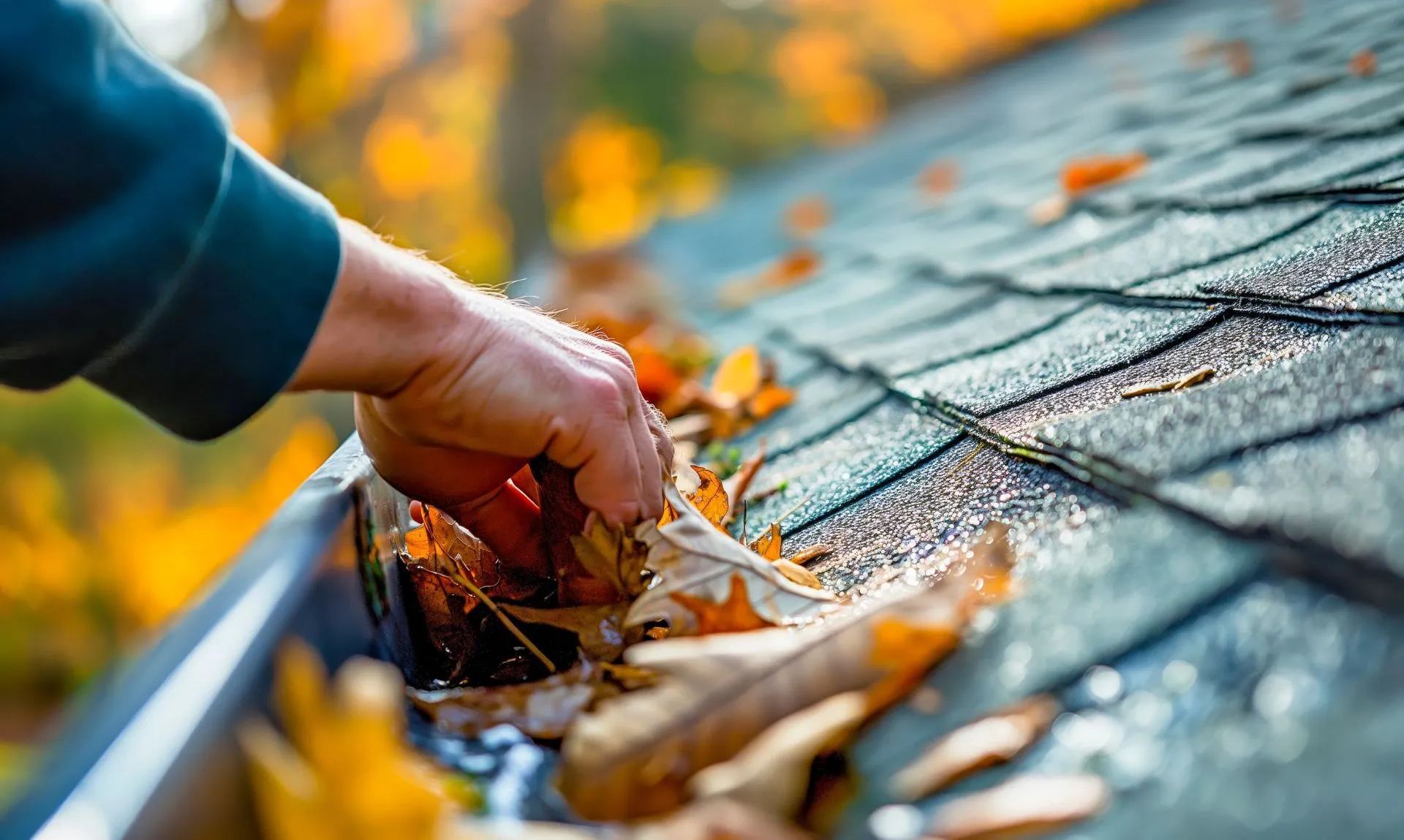
Gutters are essential in directing rainwater away from your home's foundation. When gutters become clogged with leaves, debris, and other things, the wind can blow in, and water can overflow, potentially damaging the gutters. This can result in costly repairs to your foundation, basement, and even the interior of your home. Regular cleaning ensures water flows freely, protecting your property from these risks.


Avoiding Pest Infestations

Clogged gutters create a perfect breeding ground for pests. Standing water can attract mosquitoes, while debris can attract rodents and insects. By keeping your gutters clean, you not only prevent water overflow but also reduce the likelihood of unwanted guests setting up camp near your home.


Protecting Your Roof

When gutters are blocked, water can back up under your shingles, causing leaks and water damage to your roof. Over time, this can lead to mold growth and significant structural issues. Regular gutter cleaning helps maintain the integrity of your roofing system, ensuring that it lasts for years to come.


Seasonal Considerations for Western Massachusetts


In Western MA, the changing seasons can significantly impact your gutters. Here are a few seasonal tips to remember:

  • Fall: Leaf Cleanup: As beautiful as the fall foliage is, it can quickly lead to clogged gutters. Make it a priority to clean your gutters at least twice during the fall to remove leaves and prevent blockages.
  • Winter: Ice Dams - Clogged gutters can contribute to creating ice dams, which form when melting snow refreezes at the roof's edge. These can cause damage, leading to leaks and even roof collapse in severe cases.
  • Spring: Debris Removal—Check your gutters for any remaining debris after the winter snow thaws out. Spring cleaning is essential to ensure your gutters can handle the heavy rains typical of the season.
  • Summer: Regular Maintenance - Summer storms can bring heavy rains. Regular maintenance checks and cleanings during this season ensure your gutters are ready for the downpours.


How to Clean Your Gutters Safely


Safety should be your top priority if you choose to clean your gutters yourself. Here are some tips:

  • Use a sturdy ladder: Ensure it's stable and set on a flat surface. Secure your ladder to your gutter to prevent it from sliding back and forth. 
  • Wear gloves: Protect your hands from sharp debris.
  • Have a helper: It's always safer to have someone assist you.
  • Consider a professional service: If you're uncomfortable with heights or the task seems overwhelming, hiring a local roofing company is a wise choice.


At Sexton Roofing, we specialize in gutter cleaning and maintenance. Our team understands the unique challenges of New England's climate and is dedicated to keeping your home safe and secure. Regular gutter cleaning not only prevents damage but also extends the lifespan of your roofing system. 


Protect your home from the unexpected and enjoy peace of mind this season. Remember, a little maintenance now can save you big down the road! Feel free to contact us for more information or to book an appointment. Your home deserves the best care, and we're here to provide it!


February 9, 2026
Have you ever had a roofer tell you your roof was installed incorrectly? Have you ever had a shingle fall off your roof, but your roof is less than 15 years old? How can a roof be installed incorrectly, and how can a roofer determine that? To answer that, let's talk first about how a shingle is created. Modern architectural shingles (shown here),
asphalt shingle
January 27, 2026
Have you ever wondered what an asphalt shingle is actually made of? No? Come on, just play along for a moment. You might be surprised by how helpful this is, especially when you’re talking to a roofer or trying to make decisions for your own home project. Who knows, maybe you’ll become a roofing expert one day! (Okay… probably not. But you will feel a lot more confident after this.) Let’s take a quick look at what goes into a typical architectural asphalt shingle. Each layer plays an important role: A fiberglass mat An asphalt coating Protective granules A sealant strip Now let’s break it down in a way that actually makes sense. 1. The Core: Fiberglass Mat At the heart of the shingle is the fiberglass mat—the foundation everything else attaches to. Think of it like the shingle’s skeleton. It gives the shingle its shape, strength, and flexibility so it can handle wind, movement, and the changing seasons. But while the fiberglass mat is strong, it can’t stop water on its own. That brings us to the next, and arguably most important, layer. 2. The Waterproofing: Asphalt Coating The fiberglass mat is coated with asphalt on both sides, creating a sort of asphalt “sandwich.” This is the true workhorse of the shingle. Asphalt delivers the waterproofing, protects against hail and debris, and holds everything else together. If the fiberglass is the skeleton, asphalt is the muscle. The only downside? Asphalt ages. Sunlight (especially UV rays) slowly breaks down the chemical binders, and daily temperature swings cause expansion and contraction. Over time, that leads to cracking. Fortunately, the next layer helps protect it. 3. UV Protection & Color: Granules Those colorful little granules on the surface aren’t just for looks. They’re crushed stone coated with ceramic pigments, and they act like sunscreen for the asphalt underneath. They absorb and deflect UV rays, dramatically slowing down the aging process. As a bonus, they give shingles their color. If you’ve ever cleaned your gutters and noticed those little rocks collecting at the bottom, those are the granules doing their thing. 4. The Sealant Strip On the underside of each shingle is a small strip of black sealant. It may look insignificant, but it’s one of the most important parts of the system. Once installed and warmed by the sun, this strip bonds the shingles together, helps seal the nails below, and creates a watertight, wind‑resistant layer. Small strip, huge impact. Here is a photo from the IKO website, www.iko.com 
January 3, 2026
Improve your home’s winter insulation in Western Massachusetts with energy-efficient windows that reduce drafts, heat loss, and heating costs.
Show More
February 9, 2026
Have you ever had a roofer tell you your roof was installed incorrectly? Have you ever had a shingle fall off your roof, but your roof is less than 15 years old? How can a roof be installed incorrectly, and how can a roofer determine that? To answer that, let's talk first about how a shingle is created. Modern architectural shingles (shown here),
asphalt shingle
January 27, 2026
Have you ever wondered what an asphalt shingle is actually made of? No? Come on, just play along for a moment. You might be surprised by how helpful this is, especially when you’re talking to a roofer or trying to make decisions for your own home project. Who knows, maybe you’ll become a roofing expert one day! (Okay… probably not. But you will feel a lot more confident after this.) Let’s take a quick look at what goes into a typical architectural asphalt shingle. Each layer plays an important role: A fiberglass mat An asphalt coating Protective granules A sealant strip Now let’s break it down in a way that actually makes sense. 1. The Core: Fiberglass Mat At the heart of the shingle is the fiberglass mat—the foundation everything else attaches to. Think of it like the shingle’s skeleton. It gives the shingle its shape, strength, and flexibility so it can handle wind, movement, and the changing seasons. But while the fiberglass mat is strong, it can’t stop water on its own. That brings us to the next, and arguably most important, layer. 2. The Waterproofing: Asphalt Coating The fiberglass mat is coated with asphalt on both sides, creating a sort of asphalt “sandwich.” This is the true workhorse of the shingle. Asphalt delivers the waterproofing, protects against hail and debris, and holds everything else together. If the fiberglass is the skeleton, asphalt is the muscle. The only downside? Asphalt ages. Sunlight (especially UV rays) slowly breaks down the chemical binders, and daily temperature swings cause expansion and contraction. Over time, that leads to cracking. Fortunately, the next layer helps protect it. 3. UV Protection & Color: Granules Those colorful little granules on the surface aren’t just for looks. They’re crushed stone coated with ceramic pigments, and they act like sunscreen for the asphalt underneath. They absorb and deflect UV rays, dramatically slowing down the aging process. As a bonus, they give shingles their color. If you’ve ever cleaned your gutters and noticed those little rocks collecting at the bottom, those are the granules doing their thing. 4. The Sealant Strip On the underside of each shingle is a small strip of black sealant. It may look insignificant, but it’s one of the most important parts of the system. Once installed and warmed by the sun, this strip bonds the shingles together, helps seal the nails below, and creates a watertight, wind‑resistant layer. Small strip, huge impact. Here is a photo from the IKO website, www.iko.com 
Show More